
How Can You Prevent Luxating Patella in Chihuahuas?
Last Updated: November 4, 2026
Quick Summary
You can reduce avoidable strain that may affect a Chihuahua’s knees by making floors and routes safer, choosing calm, comfortable activity, and maintaining a healthy body condition with veterinary guidance. These steps cannot prevent inherited or developmental luxating patella, so arrange a veterinary assessment if your dog starts skipping, limping, or showing pain.
Use nonslip runners, secure ramps, and gates to reduce slipping and risky jumps.
Choose calm walks on level ground and stop if limping or skipping begins.
Ask your veterinarian to assess body condition and advise on food portions.
Seek veterinary advice for a new or repeated limp, pain, or swelling.
Table of Contents
How to Prevent Luxating Patella in Chihuahuas: What Helps
According to American College of Veterinary Surgeons guidance on patellar luxation, a luxating patella is a kneecap that slips out of its normal groove. How to prevent luxating patella in chihuahuas starts with a realistic goal: reduce avoidable strain, spot changes early, and ask a veterinarian about concerns. Careful home care matters, but it cannot guarantee a dog will never develop this condition.
A Chihuahua with patellar luxation may show an occasional skip or brief limp. Those signs deserve attention, not a home diagnosis. The steps below cover safer rooms, suitable walks, home care limits, and when to seek veterinary advice.
Luxating patella is a knee condition in which the kneecap moves out of its usual track. Small-breed dogs, including Chihuahuas, can be prone to it. Prevention can support comfort and reduce some risks, but inherited anatomy cannot be changed with rugs or exercise.
Step 1: Make Your Chihuahua’s Home Safer
Home changes cannot correct inherited knee anatomy or guarantee that a Chihuahua will avoid patellar luxation. They can, however, reduce slipping, awkward landings, and repeated strain. Because Chihuahuas are small, a jump that seems minor to a person can still mean a hard landing for the dog. Focus on the routes your dog uses every day rather than trying to prevent all movement.

Use this room-by-room checklist:
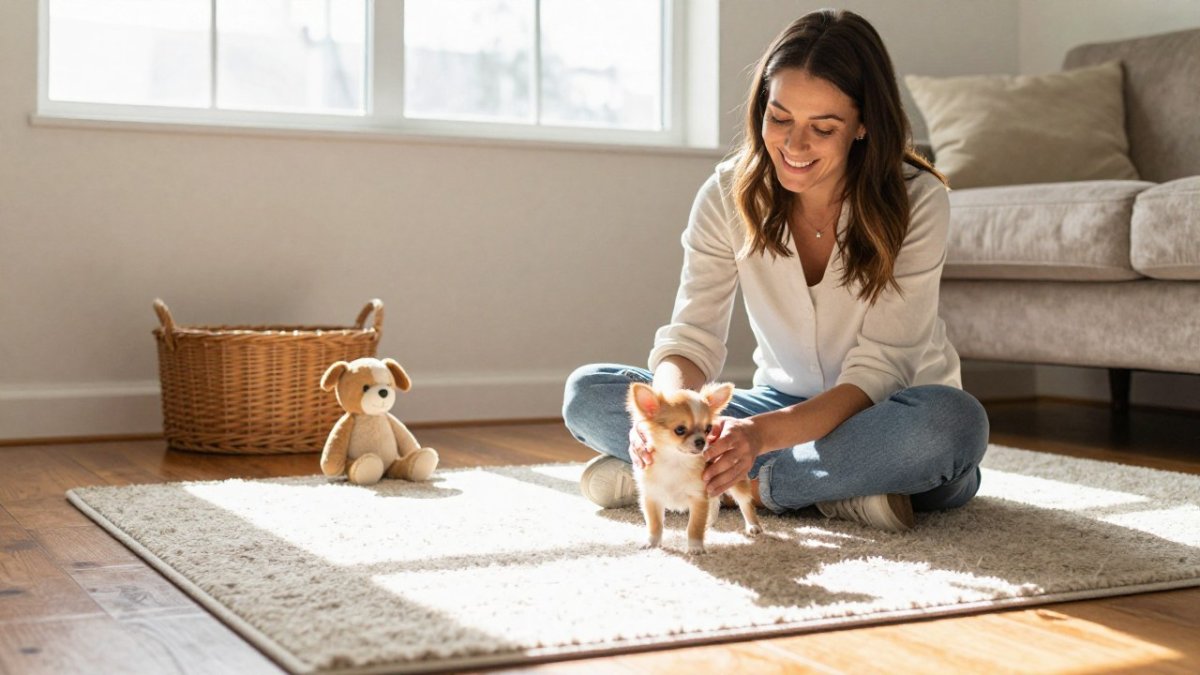
Living room: Put nonslip runners over slick paths between the dog’s bed, water, and family seating. Place a stable ramp or pet steps beside furniture the dog is allowed to use, and block access to high furniture if the route down is unsafe. Check that the ramp does not slide when stepped on.
Bedroom: Keep the bed off-limits if your Chihuahua repeatedly jumps down, or provide a secure route up and down. A soft landing alone does not make a high jump safe; the impact and awkward twisting can still strain a leg.
Stairs and hallways: Use a gate to prevent unsupervised stair runs, especially when the dog is excited. Keep hallways clear of toys, cords, and loose mats that can bunch up underfoot.
Kitchen and entry: Dry spills promptly and use a nonslip mat where the dog waits for meals or the door to open. Avoid letting a small dog dart through a doorway or weave around people carrying items.
Yard: Check for holes, uneven ground, loose boards, and gaps in fencing. Supervise play and use a leash outside an enclosed area; sudden turns, chasing, and slipping on wet grass can be harder to control than a calm walk.
For puppies, set up these routes before furniture-jumping becomes a habit. For adults and seniors, reassess the layout if you notice hesitation, slipping, or difficulty getting onto a familiar surface. Carry a Chihuahua when needed for safety, supporting the chest and hindquarters, but do not use carrying as a substitute for a safe route during ordinary movement.
Watch out: Do not encourage repeated jumps from beds, sofas, or a person’s arms, and do not force a dog to use a ramp or stairs if it is frightened or already limping; make the area safer and ask a veterinarian for guidance if movement has changed.
These adjustments are practical injury-prevention measures, not a way to prevent developmental or inherited luxation. If your Chihuahua begins skipping, limping, or avoiding a route it previously used, note when it happens and arrange a veterinary assessment rather than assuming the floor or furniture is the only cause.
These home adjustments can reduce slipping and awkward landings, though they cannot prevent inherited luxation.
Area | What to do | What to watch for |
Living room | Use nonslip runners and a stable ramp or pet steps | Check that the ramp does not slide |
Bedroom | Keep the bed off-limits or provide a secure route | Repeated jumps down |
Stairs and hallways | Use a gate and clear toys, cords, and loose mats | Unsupervised stair runs |
Kitchen and entry | Dry spills and use a nonslip mat | Darting through doorways |
Yard | Check for holes, uneven ground, and loose boards | Supervise play and use a leash outside an enclosed area |
Step 2: Should You Walk a Dog With Luxating Patella?
Many dogs with patellar luxation can remain active, but the appropriate activity depends on the dog’s signs and veterinary assessment. Gentle, regular movement can help maintain general fitness and the muscles that support the legs; it cannot reshape the groove or prevent inherited anatomy from developing.
For a Chihuahua with no limping or skipping, choose calm walks on level, predictable ground. Start with a route and pace your dog already handles comfortably, then increase activity gradually only if the dog remains comfortable during the walk and afterward.
For puppies, favor brief, supervised play and easy walks suited to their age rather than repetitive jumping or forced distance. For healthy adults, consistent moderate activity is generally more practical than occasional bursts of hard exercise.
Avoid activities that repeatedly combine speed, twisting, and impact, such as chasing on slippery floors, jumping down from furniture, or racing up and down stairs.
Watch your dog’s gait during the outing and later that day. Stop and let the dog rest if skipping, limping, reluctance to continue, or apparent discomfort begins or worsens. Record what activity preceded the change and how long it lasted; that information can help the veterinarian assess the pattern.
Watch out: Do not push through a limp or try to exercise a kneecap back into place. A new or repeated limp, pain, swelling, or difficulty bearing weight warrants veterinary advice; sudden severe signs or a possible injury call for prompt assessment.
Safe activity can support comfort and conditioning, but prevention has limits: inherited or developmental patellar luxation may occur despite careful exercise and a well-managed home. For a dog already showing signs, veterinary assessment should come before increasing walks or adding exercises.
Step 3: How to Prevent Luxating Patella From Getting Worse
To reduce strain when a Chihuahua has luxating patella, follow a veterinarian’s care plan, keep activity gentle, and support a healthy body condition. These steps can help protect comfort, but they cannot guarantee the condition will not progress. The best plan depends on the dog’s exam and signs.
Weight management matters because extra body weight adds load to the joints. Ask your vet to assess body condition and advise on food portions. Do not start joint supplements or change exercise plans based on online advice alone.
Watch for:
More frequent skipping or limping
Trouble rising or walking
Signs of pain or swelling
A change in willingness to play
Early screening is useful when a dog shows signs or has a known family history. Ask the vet to explain the severity grade and what it means for daily care. Unlike advice that promises prevention through one trick, good management combines observation, safe movement, and veterinary input.
Step 4: Home Remedies for Luxating Patella in Dogs
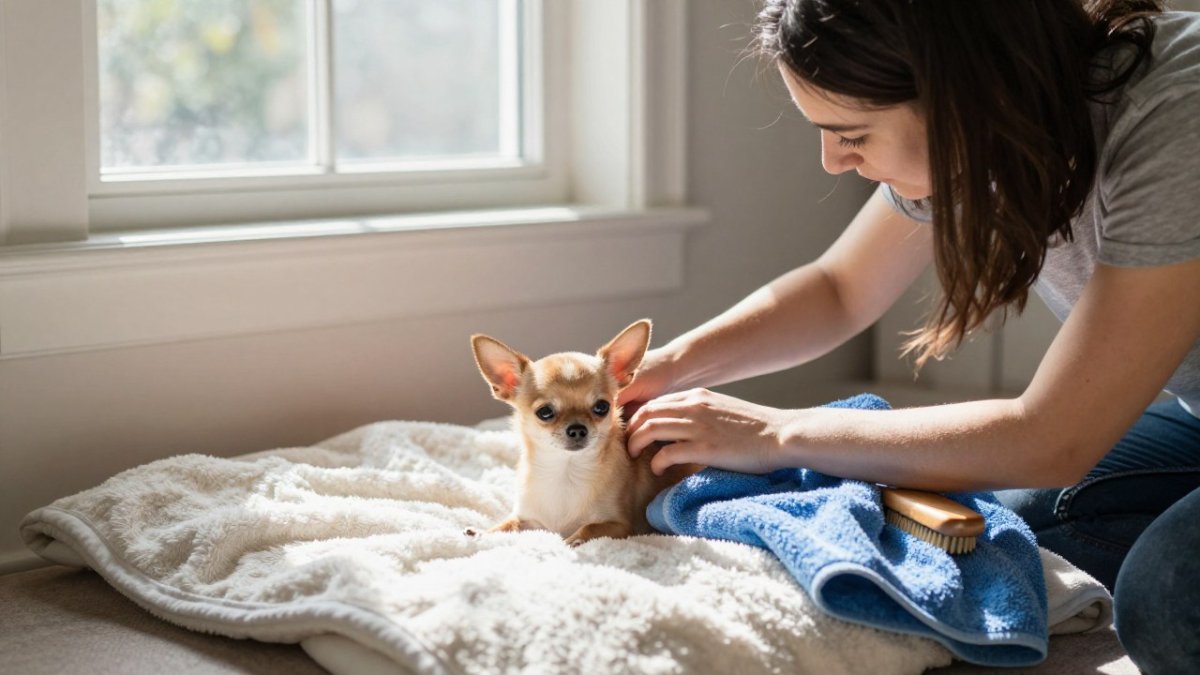
Home remedies for luxating patella in dogs should focus on safe support, not trying to move the kneecap back or treat the joint yourself. Keep your Chihuahua comfortable, limit rough play, and follow the vet’s instructions. A home routine cannot replace a veterinary examination.
A common mistake is giving human pain medicine or using a supplement without asking a vet. Some products can harm dogs or conflict with other care. Ask before using joint supplements, pain relief, braces, or massage.
At home, you can:
Keep food and water easy to reach.
Use rugs to reduce slipping.
Note when limping or skipping occurs.
Share changes with your veterinarian.
According to American Veterinary Medical Association pet care guidance, a veterinarian can help guide care for an individual animal. That matters because the same symptom can have different causes, including injury or a joint problem.
Step 5: Treatment for Luxating Patella in Dogs and When to See a Vet
Treatment for luxating patella in dogs depends on the exam, symptoms, and severity. A veterinarian can assess how the kneecap moves and discuss options, which may include monitoring, activity changes, or surgery. Do not choose treatment from a grade or symptom list alone.
Book a veterinary visit if your Chihuahua has a new or repeated limp, skips while walking, seems painful, or has swelling. Seek prompt advice after a fall or other possible traumatic injury. Early assessment helps clarify whether the issue is patellar luxation or something else.
If surgery is recommended, ask about the approach, likely recovery needs, and rehabilitation plan. For more guidance on caring for your Chihuahua after bringing a puppy home, read our post-adoption support guide. The American Animal Hospital Association pet owner resources offers general guidance on working with veterinary professionals. Bring notes on when signs began and what makes them better or worse.
Ask Dreamer's Pups About Breeding History and Puppy Health Support
For families choosing a Chihuahua puppy, ask about family history, breeding choices, and written health support. These questions cannot rule out luxating patella, but they help you understand what the breeder can share. At Dreamer’s Pups, we focus on pet-quality breeding and raise puppies in a home with children.
We diversify our breeding lines with breeders from the East Coast to the West to avoid breeding closely related dogs. We also offer a one-year congenital health guarantee, with replacement if a congenital issue arises under its terms. Ask for the written terms and review them before making a decision.
Useful questions include:
What can you share about the puppy’s family history?
What health support comes with the puppy?
What does the congenital guarantee cover?
How are preventive care records provided?
Read our guide to communicating with your dog breeder and review the Chihuahua health guarantee terms before asking us about a puppy. For a condition such as luxating patella, prevention has limits; steady home care and timely veterinary guidance are the practical path. Get started with Dreamer’s Pups by asking about breeding history and puppy health support.
Frequently Asked Questions
Can luxating patella be prevented in Chihuahuas?
There is no guaranteed way to prevent luxating patella in Chihuahuas because inherited anatomy can play a role. You can reduce avoidable strain by maintaining a healthy body condition, limiting repeated high jumps, using nonslip rugs, and choosing controlled, comfortable activity. These steps support joint health but cannot change a developmental abnormality. Ask a veterinarian about early screening if you notice skipping, limping, or intermittent lameness.
Should you walk a Chihuahua with luxating patella?
Walking may remain appropriate when your Chihuahua is comfortable, but activity should match the dog’s symptoms and veterinary guidance. Use a leash, choose an even surface, and keep the pace easy. Stop if your dog begins skipping, limping, or showing pain. A veterinarian can assess the knee joint and advise whether to adjust walks, add rehabilitation, or discuss other treatment for luxating patella in dogs.
How can I help prevent a luxating patella from getting worse?
Reduce repeated jumping from furniture, add nonslip rugs on hard floors, and use pet stairs or a ramp where your Chihuahua regularly climbs. Keep exercise controlled and maintain a healthy body condition. If you see a skipping gait, limping, swelling, or signs of pain, arrange a veterinary examination rather than trying to reposition the kneecap yourself. A veterinarian can assess severity and recommend suitable management.
Are home remedies or supplements effective for luxating patella in dogs?
Home changes such as safer footing and limiting excessive jumping can reduce everyday strain, but they do not correct the underlying kneecap position. Evidence in the supplied research does not establish that supplements prevent or treat luxating patella, so ask your veterinarian before adding one. Avoid giving human pain medicines or attempting joint manipulation. For symptoms or worsening limping, veterinary guidance is safer than relying on home remedies.
Sources:
American College of Veterinary Surgeons guidance on patellar luxation
American Veterinary Medical Association pet care guidance
American Animal Hospital Association pet owner resources
Comments