
Chihuahua vs Other Small Dog Breeds in Tennessee
Table of Contents
Chihuahua vs Other Small Dog Breeds: A Tennessee Comparison
Why Small Breeds Thrive in Tennessee Homes
Quick Breed Comparison Table
Best Small Dog Breeds for Tennessee Homes
Chihuahuas: The Loyal Companion
Yorkshire Terriers: The Spirited Alternative
Pugs and Other Contenders
Benefits of Diversified Breeding Lines in Chihuahuas
How to Choose a Reputable Hobby Breeder in Tennessee
Red Flags to Avoid
What Dreamer's Pups Does Differently
Preventative Care for Puppies at Home
Which Breed Is Right for Your Tennessee Family?
Frequently Asked Questions
Last Updated: October 13, 2026
Chihuahua vs Other Small Dog Breeds: A Tennessee Comparison
Among small dog breeds in Tennessee, Chihuahuas rank as the top choice, but they're far from your only option. At Dreamer's Pups, we've spent over 20 years breeding Chihuahuas and helping families find the right companion. This guide compares Chihuahuas to other popular small dog breeds and shows you how to find a breeder you can trust.
Small dog breeds have grown increasingly popular in Tennessee homes over the past decade, adapting well to apartments and larger houses alike. The real question isn't whether a small dog works for you, it's which small dog breed matches your lifestyle, energy level, and what you're looking for in a companion.
Key Takeaway Chihuahuas dominate Tennessee's small dog breed preferences, but Yorkshire Terriers, Pugs, and other breeds each bring distinct temperaments and care requirements that may suit different families better.
Why Small Breeds Thrive in Tennessee Homes
Small dog breeds in Tennessee suit the state's varied climates and living spaces, from Nashville apartments to rural farmland. They need less exercise than larger breeds, making them ideal for busy families or those with limited outdoor space, and their compact size means lower food costs and easier transportation.
Beyond convenience, smaller dogs develop intense bonds with their owners and are portable enough to join you on errands, travel, and adventures. In Tennessee's warm summers, they also handle heat better than heavily-coated larger breeds, though all dogs need proper hydration and shade.
Quick Breed Comparison Table
Breed | Typical Weight | Lifespan | Temperament | Best For |
Chihuahua | 2-6 lbs | 14-16 years | Loyal, alert, spirited | Families wanting deep bonds, apartment dwellers |
Yorkshire Terrier | 4-7 lbs | 13-16 years | Confident, playful, independent | Active owners, those wanting a spirited companion |
Pug | 14-18 lbs | 12-15 years | Affectionate, easygoing, social | Families seeking low-energy, social dogs |
Pomeranian | 3-7 lbs | 12-16 years | Bold, intelligent, fluffy | Owners who enjoy grooming, active households |
Maltese | 4-7 lbs | 12-15 years | Gentle, playful, responsive | Families wanting gentle, trainable companions |
Best Small Dog Breeds for Tennessee Homes
Chihuahuas: The Loyal Companion
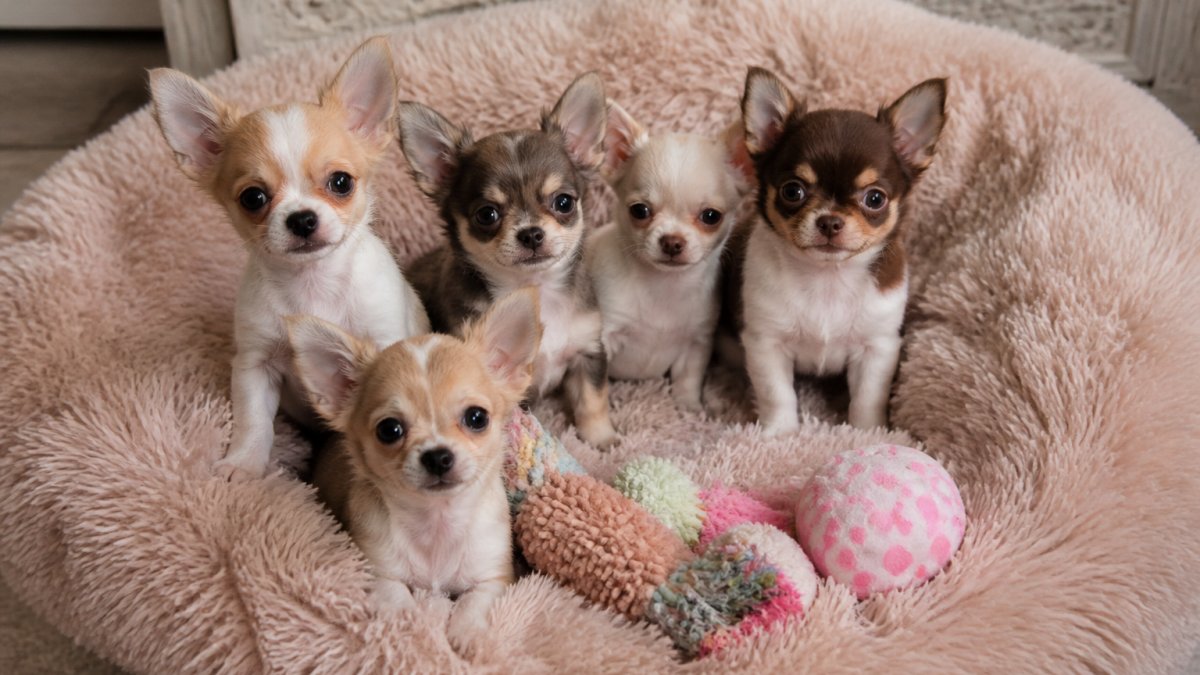
Chihuahuas are the most popular small dog breed in Tennessee for good reason. These tiny dogs pack enormous personality into their small frames, forming deep, lasting bonds with their owners.

What sets a quality Chihuahua apart is socialization and breeding history. Chihuahuas from responsible breeders tend to have better temperaments and fewer health issues.
Their small size makes them perfect for Tennessee apartments and smaller homes, and a daily walk plus indoor playtime keeps them content.
Chihuahuas thrive on companionship and don't do well left alone for extended periods, developing separation anxiety and excessive barking when isolated. For families that spend significant time at home or can arrange midday care, they become devoted family members.
Yorkshire Terriers: The Spirited Alternative
Yorkshire Terriers rank second in popularity in Tennessee and offer a distinctly different experience. More independent and higher-energy, they were originally bred to hunt rats, and that spirited, fearless nature still shows today. A Yorkie isn't content to sit on your lap, they want to explore, play, and engage with their environment.
Yorkies require regular grooming to maintain their long coats, though many owners choose a shorter "puppy cut" for easier maintenance. Unlike Chihuahuas, they don't bond quite as intensely with a single person, instead enjoying interaction with multiple family members and guests.
Yorkies do well in active households where someone can dedicate time to play and mental stimulation. They're intelligent and trainable, responding well to positive reinforcement, and their slightly larger size, typically 4-7 pounds, makes them a bit sturdier than Chihuahuas.
Pugs and Other Contenders
Pugs represent a different category of small dog entirely. These stocky, muscular little dogs are easygoing and social by nature, thriving in busy households. They don't require the intense one-on-one bonding Chihuahuas crave, happy as long as they're near their family.
The breed's main consideration is their flat face structure, which can lead to breathing challenges in hot weather (Canine Brachycephaly: Anatomy, Pathology, Genetics and Welfare). Tennessee's summers require extra care, Pugs need air conditioning, shade, and limited exercise during heat waves. They're also prone to weight gain, so careful feeding and regular (but not strenuous) exercise matter significantly.
Other small breeds worth considering include Maltese dogs, known for their gentle temperament and responsiveness to training, and Pomeranians, which offer bold personalities in a fluffy package. The best breed for your family depends on your lifestyle, available time, and what you're seeking in a companion.
Benefits of Diversified Breeding Lines in Chihuahuas
One of the most overlooked factors when choosing a Chihuahua is the breeder's genetic strategy. When breeders work with dogs that are too closely related, genetic problems compound across generations, making health and behavioral issues more likely.
Dreamer's Pups has built our reputation on maintaining diversified breeding lines across the country. Rather than breeding within a single region, we've developed relationships with quality breeders from the east coast to the west, ensuring our lines are never bred too close together. The result speaks for itself: over our 20+ year breeding history, we've had reports of less than 1% of puppies sold having any issues.
This commitment to diversity also means healthier, more stable temperaments. Puppies from genetically diverse lines tend to be more resilient, adaptable, and emotionally balanced, handling new situations with confidence. When you're investing in a puppy that will be part of your family for 14-16 years, this genetic foundation matters enormously.
Pro Tip Ask any breeder about their genetic diversity strategy. Responsible breeders can explain which lines they've crossed and why. Vague answers are a red flag.
How to Choose a Reputable Hobby Breeder in Tennessee
The difference between a responsible hobby breeder and a puppy mill comes down to transparency, health practices, and genuine care. A reputable breeder prioritizes the wellbeing of their dogs and puppies above profit, answering detailed questions, providing health records, and standing behind their puppies with guarantees.
Start by asking about breeding practices: how often they breed and how many litters per year. Responsible breeders limit breeding frequency and can tell you about each parent dog's temperament, health history, and genetic background. They should also ask detailed questions about your home, family, and lifestyle.
Health documentation is non-negotiable. All puppies should come fully wormed and vaccinated, with comprehensive health records documenting every preventative treatment. At Dreamer's Pups, we provide detailed documentation of all health protocols and stand behind our puppies with a 1-year congenital health guarantee. If anything congenital arises, we're more than willing to replace the puppy.
Red Flags to Avoid
Several warning signs should immediately eliminate a breeder from consideration. If a breeder won't let you visit in person or insists on shipping puppies without meeting you, be cautious. Responsible breeders want to meet the families their puppies are going to, and some will even travel to meet you halfway.
Avoid breeders who have multiple litters available at all times, which suggests they're breeding constantly and prioritizing profit over puppy welfare. If a breeder seems disinterested in your questions or won't provide references from previous puppy buyers, move on. Legitimate breeders are proud of their work and happy to connect you with satisfied families.
Be wary of prices that seem significantly lower than the market. Quality breeding costs money, and genetic diversity, socialization in a home environment, and comprehensive care all add up. A suspiciously cheap puppy often comes with hidden costs, behavioral problems, health issues, or poor socialization that requires expensive training or veterinary care.
What Dreamer's Pups Does Differently
Our approach centers on raising puppies in a genuine home environment among children and family. This isn't a commercial kennel operation, it's a hobby breeder's passion. Every puppy interacts with kids, experiences normal household sounds and activities, and develops the social skills they'll need in their forever homes.
We also take a different approach to preventative care. We don't expose our healthy puppies to veterinary offices, where airborne viruses like Parvovirus are present. Instead, we source all wormers, preventatives, and vaccines directly through Revival Animal Health, the same supplier that veterinary offices use. This eliminates exposure risk while ensuring puppies receive proper preventative treatment. We maintain a close, longstanding relationship with our veterinarian, who provides direct communication and prescription authorization for all preventive medications. This approach gives puppies a clean, healthy start in life.
Preventative Care for Puppies at Home
The first weeks and months in your home set the foundation for your puppy's long-term health and behavior.
House-training requires patience and consistency. Take your puppy outside first thing in the morning, after meals, after playtime, and before bed, praising every successful trip. Accidents will happen: respond calmly, clean thoroughly with enzymatic cleaners to remove scent markers, and never punish, as this creates fear and confusion.
Socialization matters intensely during the first 16 weeks. Expose your puppy to different people, sounds, textures, and environments in a controlled, positive way.
Nutrition directly impacts growth and long-term health. Feed a high-quality puppy formula appropriate for small breeds, which need more calories per pound and specific calcium-phosphorus ratios for proper bone development. Follow your breeder's feeding recommendations, and don't switch foods abruptly, as this causes digestive upset.
Watch Out Never leave a young puppy unsupervised in your home. Puppies explore with their mouths and can swallow hazardous items. Keep electrical cords, toxic plants, small objects, and medications out of reach. Puppy-proofing your home prevents emergencies and saves thousands in veterinary bills.
Which Breed Is Right for Your Tennessee Family?
Choosing between Chihuahuas and other small dog breeds comes down to honest self-assessment. Ask yourself: How much time can you dedicate to your dog daily? Are you home frequently, or do you work long hours?
If you want a deeply loyal companion that bonds intensely with your family and fits comfortably in an apartment or smaller home, a Chihuahua from a responsible breeder is hard to beat.
If you prefer a more independent, spirited dog with higher energy levels, a Yorkshire Terrier might be better. If you want an easygoing, social dog that's happy as long as they're near the family, a Pug could be your match.
Regardless of breed, the breeder matters as much as the breed itself. A well-bred Chihuahua from a responsible breeder will be healthier, better-socialized, and more stable than a poorly-bred one. The same is true for any breed.
Choosing the right small dog breed for your Tennessee family is one of the most rewarding decisions you'll make. When you're ready to find your perfect companion, visit Dreamer's Pups to see available puppies and learn more about our breeding philosophy.
Frequently Asked Questions
Are Chihuahuas better for Tennessee homes than other small breeds?
Chihuahuas excel in Tennessee homes because they adapt well to both active and quiet lifestyles. They're the top-ranked small breed in Tennessee according to state popularity data. Unlike some small breeds that need extensive outdoor space, Chihuahuas thrive in apartments and family homes. Their compact size (6 pounds or less) and affectionate nature make them ideal companions for families with children when properly socialized from puppyhood.
What makes a Chihuahua from Dreamer's Pups different from other breeders?
Dreamer's Pups uses a diversified breeding strategy with lines from coast to coast, preventing inbreeding and ensuring genetic health. This approach has resulted in less than 1% of puppies sold over 20+ years reporting health issues. Every puppy comes fully wormed and vaccinated with comprehensive health records. The breeder also stands behind each puppy with a 1-year congenital health guarantee and is willing to travel to meet families personally.
How does preventative care for puppies work at home versus at a vet clinic?
Healthy puppies don't need routine vet visits, which reduces exposure to airborne viruses like Parvovirus found in veterinary offices. Dreamer's Pups obtains all wormers, preventatives, and vaccines directly through Revival Animal Health, the same supplier veterinary offices use. This approach provides a clean, healthy start without unnecessary exposure to illness. If a puppy becomes ill, veterinary care is available immediately through the breeder's established relationship with their vet.
What should I look for when choosing a reputable hobby breeder in Tennessee?
A legitimate hobby breeder prioritizes health and temperament over profit. Look for breeders who provide comprehensive health records, offer health guarantees, raise puppies in a home environment, and are transparent about their breeding practices. Avoid breeders who operate as commercial kennels, won't provide references, or refuse to discuss health history. Reputable breeders like Dreamer's Pups are willing to travel to meet families and maintain ongoing relationships with puppy owners.
Submit


Comments