
Are Chihuahuas Good Family Dogs in 2026?
Table of Contents
Are Chihuahuas Good Family Dogs? The Truth
Chihuahua Temperament with Kids and Family Life
How to Socialize a Chihuahua Puppy for Family Success
Early Exposure and Confidence Building
Introducing Your Puppy to Children
Best Practices for Raising Small Breed Dogs
Training and Exercise Needs for Family Chihuahuas
Health, Lifespan, and Long-Term Care
Finding a Healthy, Well-Socialized Chihuahua Puppy
Frequently Asked Questions
Last Updated: October 15, 2026
Are Chihuahuas Good Family Dogs? The Truth
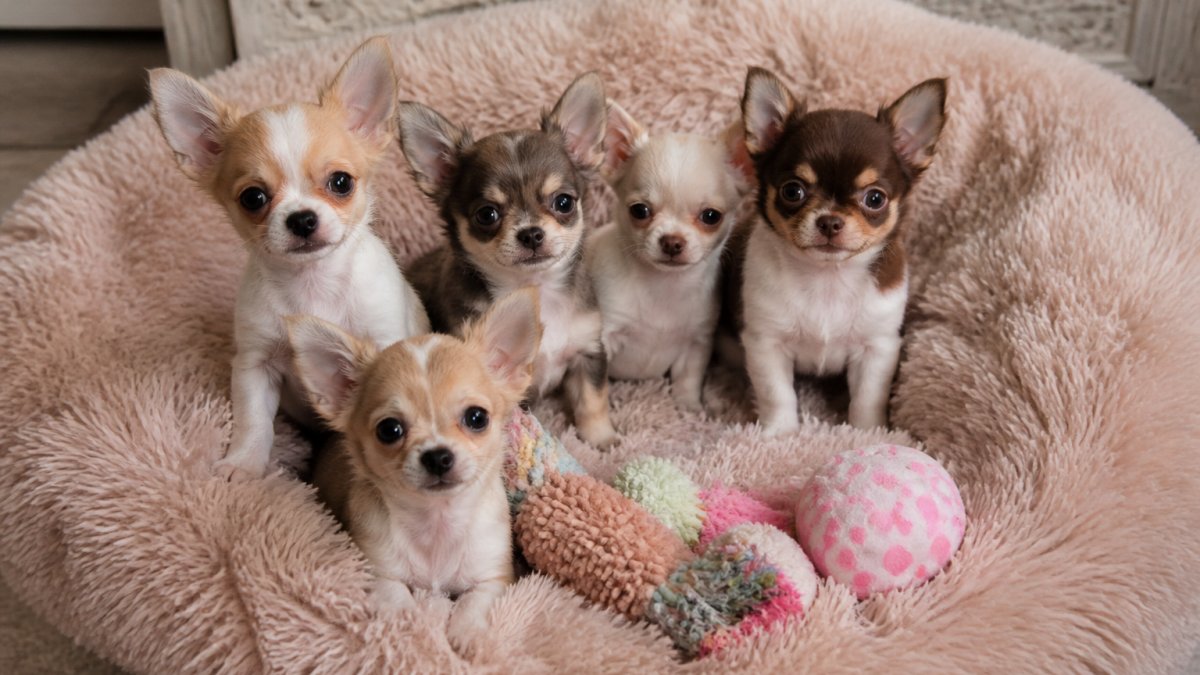
The question isn't whether chihuahuas are good family dogs, it's whether your family is ready for one. These tiny companions can thrive in family environments, but they're not the universal fit that many assume. At Dreamer's Pups, we've spent over 20 years breeding chihuahuas specifically for family life, and what we've learned is that success depends far less on the breed and far more on preparation, socialization, and realistic expectations.
Chihuahuas get a mixed reputation. Some families report absolute devotion and perfect companionship. Others struggle with a dog that seems anxious, snappy, or poorly adjusted. The difference rarely comes down to breed temperament alone. It comes down to how the puppy was raised before arrival and how the family manages the transition.
Here's what matters: are chihuahuas good family dogs when they're properly socialized, raised in a home environment among children, and placed with families who understand their needs? Absolutely. Without those conditions? The experience can be frustrating for everyone involved.
Key Takeaway Chihuahuas excel as family dogs when they come from responsible breeders who prioritize socialization and when families commit to consistent, gentle handling from day one.
Chihuahua Temperament with Kids and Family Life
A well-socialized chihuahua is confident, intuitive, and genuinely affectionate with family members. The breed's small size makes them manageable for households with limited space, and their intelligence means they can learn household routines quickly when trained consistently.
The temperament challenge most families encounter isn't inherent to the breed, it's the result of poor breeding practices or inadequate early socialization. Puppies raised in puppy mills or backyard breeding situations often arrive fearful, defensive, or overstimulated. They haven't learned to trust humans or navigate normal household sounds and activities.

Chihuahuas raised in home environments among children develop differently. They learn early that kids represent normal activity, not threat. They become accustomed to handling, noise, and the unpredictability of family life. This foundation is irreplaceable, you cannot replicate it after the fact.
The real consideration for families with young children isn't whether chihuahuas are good family dogs, but whether your children understand how to interact with a small, delicate animal. Chihuahuas have fragile bones. A child who drops a puppy or plays too roughly can cause serious injury. Families with children under five often find that the supervision required makes the experience stressful rather than joyful.
Watch Out Chihuahuas under six months old should never be left unsupervised with children under seven. The risk of accidental injury is significant, and the puppy's fear response can teach it to snap defensively.
How to Socialize a Chihuahua Puppy for Family Success
Socialization is the single most important factor in whether a chihuahua becomes a confident family member or an anxious, reactive dog. The critical window is narrow, between three and sixteen weeks of age, and the work done during this period shapes the dog's entire life.
Early Exposure and Confidence Building
Start socialization the moment your puppy arrives home. Expose your chihuahua to different sounds, surfaces, people, and environments in a controlled, positive way. Play recordings of household noises at low volume. Let your puppy walk on different floor types. Invite friends and family to visit and interact gently.
The goal is not to overwhelm the puppy but to build confidence through repetition and positive association. Each new experience should feel safe. If your puppy shows fear, slow down. Never force interaction. The puppy learns that new things are manageable when you remain calm and patient.
Many families skip this step because chihuahuas are small enough to carry everywhere. Don't. Your puppy needs to learn independence and confidence on its own terms. Carrying a fearful puppy everywhere teaches it that the world is dangerous.
Introducing Your Puppy to Children
Introduce your chihuahua to children gradually and always with supervision. Have children sit on the floor so they're at the puppy's level and appear less intimidating. Let the puppy approach at its own pace. Reward calm interaction with treats and praise.
Teach children the specific rules: gentle hands, no grabbing, no picking up without permission, no waking a sleeping puppy. These rules protect both the child and the dog. A frightened chihuahua will defend itself, and a child bitten by a small dog still experiences pain and fear.
Socialization with children should happen early and consistently. A puppy that never meets children before four months old may remain nervous around them indefinitely. If your family plans to have visiting children, arrange those visits while your puppy is young. Temperament remains the most critical factor when evaluating other family-friendly breeds like the Coton de Tulear for households that require a more inherently patient companion.
Best Practices for Raising Small Breed Dogs
Small breed dogs have specific needs that differ from larger breeds. Understanding these differences prevents many common problems.
Chihuahuas require consistent structure. They thrive on routine, predictable feeding times, consistent potty breaks, regular play sessions. Small dogs can develop anxiety and behavioral problems quickly when their environment feels chaotic. Establish routines immediately and maintain them.
Housebreaking takes patience. Small bladders mean frequent bathroom breaks. Expect to take your chihuahua outside every two to three hours initially. Crate training accelerates the process because dogs naturally avoid soiling their sleeping area. Make the crate comfortable and positive, never a punishment space.
Nutrition matters more for small breeds because portion sizes are tiny and nutritional imbalances have outsized effects. Feed a high-quality puppy food appropriate for small breeds. Avoid table scraps and human food, which can cause digestive upset and create begging behavior.
Dental care is essential. Small breed dogs are prone to dental disease. Brush teeth several times weekly. Regular dental maintenance prevents costly problems later.
Pro Tip Establish a grooming routine early. Regular nail trimming, ear cleaning, and coat maintenance help your chihuahua stay healthy and teach it to accept handling, essential for vet visits and general care.
Training and Exercise Needs for Family Chihuahuas
Chihuahuas are intelligent and trainable, but they can be stubborn. They respond best to positive reinforcement, treats, praise, and play, rather than punishment or harsh corrections.
Start training immediately. Teach basic commands: sit, stay, come, down. These commands make daily life easier and keep your dog safe. A chihuahua that comes reliably when called won't chase a cat into traffic or run off at the park.
Exercise needs are modest but non-negotiable. A 20-30 minute daily walk satisfies most chihuahuas. They also benefit from indoor play, fetch, tug, puzzle toys. Mental stimulation is as important as physical exercise. A bored chihuahua develops behavioral problems.
Many families underestimate the training commitment required. A chihuahua left to its own devices often becomes reactive, anxious, or aggressive toward other dogs and strangers. Consistent training prevents these problems and creates a genuinely pleasant companion.
Health, Lifespan, and Long-Term Care
Chihuahuas live 12-18 years on average, making them a genuine long-term commitment. That extended lifespan means you're making a decision that will shape your family life for nearly two decades.
The breed is generally healthy when bred responsibly. At Dreamer's Pups, our diversified breeding lines, developed with breeders across the country from the east coast to the west, ensure genetic health and prevent the problems that arise when lines are bred too closely. Over our 20+ year breeding history, we've had reports of congenital issues in less than 1% of puppies sold. This track record reflects careful selection and responsible breeding practices.
We stand behind that health commitment with a one-year congenital health guarantee. If any congenital issue arises, we replace the puppy at no cost. That guarantee exists because we're confident in our breeding program.
Preventive care is straightforward. We provide all wormers, preventatives, and vaccines through Revival Animal Health, which supplies veterinary offices with the same products. This approach gives your puppy a clean, healthy start without exposing young, vulnerable animals to airborne viruses like Parvovirus that concentrate in veterinary offices. We maintain a close relationship with our veterinarian, ensuring direct communication and prescription authorization for all preventive medications.
If illness occurs, veterinary care becomes necessary. But for healthy puppies, this approach eliminates unnecessary exposure risk while ensuring complete preventive coverage.
Finding a Healthy, Well-Socialized Chihuahua Puppy
Not all chihuahua puppies are raised equally. The difference between a puppy from a responsible breeder and one from a puppy mill is dramatic and immediate.
Responsible breeders raise puppies in home environments among family members. They prioritize socialization. They conduct health screening and maintain detailed health records. They stand behind their puppies with guarantees. They're willing to answer questions, provide references, and sometimes travel to meet families.
Puppy mills and backyard breeders cut corners on socialization, health screening, and record-keeping. They prioritize volume over quality. Puppies from these sources often arrive fearful, sick, or both.
When evaluating breeders, ask specific questions: Where are puppies raised? How much early socialization occurs? What health records are provided? What guarantees exist? Are references available? Can you meet the parents?
At Dreamer's Pups, every puppy is raised in our home among our family. Each arrives fully wormed and vaccinated with comprehensive health records documented. Our commitment to socialization means your puppy arrives confident and ready for family life. Our willingness to travel to meet families demonstrates our confidence in the match and our commitment to successful placement.
The price difference between responsible breeders and puppy mills reflects the actual cost of quality: proper nutrition, individualized socialization, health screening, record-keeping, and ongoing support. Choosing a responsible breeder isn't an expense, it's an investment in a healthy, well-adjusted family member.
Bringing a chihuahua into your family is a meaningful decision that deserves careful consideration. The right puppy from a responsible breeder can become an irreplaceable family member for nearly two decades. At Dreamer's Pups, we've built our entire program around ensuring that outcome, raising puppies in home environments, prioritizing health and socialization, and standing behind every puppy with genuine guarantees. When you choose a well-socialized chihuahua from a breeder committed to family success, you're choosing a companion that will bring joy and affection to your household for years to come.
Frequently Asked Questions
Are Chihuahuas good with children?
Yes, Chihuahuas can be excellent with children when properly socialized from puppyhood. Their small size and affectionate nature make them loving companions. However, they require careful introductions to young children and benefit from families who understand how to handle small breeds gently. Puppies raised in home environments with children develop confidence and comfort around them, making the transition to family life seamless.
How do you ensure Chihuahuas are good family dogs?
Quality breeders raise puppies in home environments where they're exposed to family life, children, and normal household activities from birth. This early socialization builds confidence and balanced temperament. Dreamer's Pups uses diversified breeding lines from coast to coast, ensuring genetic health and reducing congenital issues to less than 1% across our 20+ year breeding history. Every puppy comes fully vaccinated and wormed with comprehensive health records and a 1-year congenital health guarantee.
Do Chihuahuas require a lot of exercise?
Chihuahuas need moderate daily exercise, typically 20-30 minutes of play and walking. Their small size means they can meet exercise needs indoors with interactive play, making them ideal for families with busy schedules or limited outdoor space. They're adaptable to apartment living and home-centered lifestyles, though regular activity keeps them healthy and prevents behavioral issues.
What makes a Chihuahua from Dreamer's Pups different?
Dreamer's Pups focuses on pet-quality breeding for health and disposition rather than show standards. Puppies are raised among family, ensuring they're courageous and intuitive. We diversify our breeding lines geographically to prevent close breeding, resulting in healthier puppies. Our direct relationship with our veterinarian ensures every puppy receives preventive care through Revival Animal Health, the same supplier used by veterinary offices, providing a clean, healthy start without unnecessary exposure to illness.
Submit


Comments